Introduction
Email etiquette is a crucial skill in today’s digital world, where most professional and personal communication happens through email. Understanding email etiquette helps ensure that your messages are clear, respectful, and effective, no matter the situation. Whether you’re communicating with colleagues, clients, or potential employers, practicing proper email etiquette can significantly influence how your message is perceived.
Incorporating strong email etiquette into your daily communication habits not only improves clarity but also enhances your professional image. Poor email etiquette, on the other hand, can lead to misunderstandings, missed opportunities, or even damaged relationships. This comprehensive guide will walk you through everything you need to know about email etiquette, from basic principles to advanced strategies.
Why Email Etiquette Matters
Email etiquette plays a vital role in maintaining professionalism and ensuring effective communication. When you follow proper email etiquette, you demonstrate respect for the recipient’s time and attention, which is especially important in professional environments.
Good email etiquette also helps prevent confusion. Clear structure, polite tone, and concise language ensure that your message is understood exactly as intended. Without proper email etiquette, emails can come across as rude, unclear, or unprofessional, even if that was not your intention.
Additionally, email etiquette contributes to your personal brand. Every email you send reflects your communication skills and professionalism. Practicing proper email etiquette consistently helps build trust and credibility with your audience.
Key Components of Email Etiquette
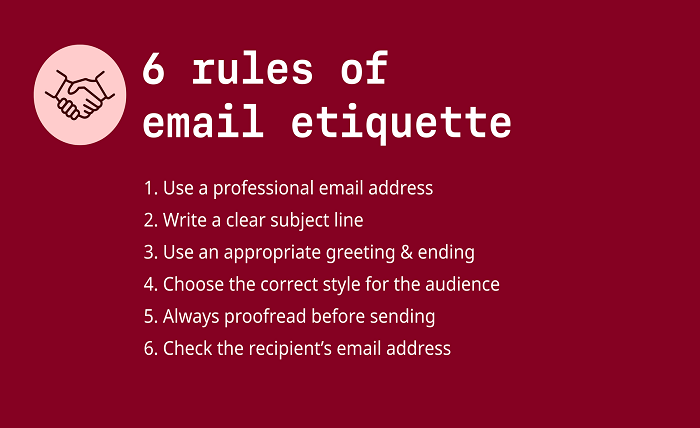
Understanding the essential elements of email etiquette is the foundation of effective communication. These components ensure your emails are professional, organized, and easy to understand.
First, always use a clear and relevant subject line. A good subject line reflects proper email etiquette by helping the recipient understand the purpose of the email before opening it. This saves time and increases the likelihood of a prompt response.
Second, use a professional greeting. Addressing the recipient appropriately is a basic yet important aspect of email etiquette. Depending on the context, you might use “Dear,” “Hello,” or simply the recipient’s name.
Third, maintain a polite and respectful tone. Email etiquette requires avoiding slang, overly casual language, or harsh wording. Always aim for clarity and professionalism.
Fourth, structure your email properly. Break your message into short paragraphs, and keep it concise. Proper formatting is a key part of email etiquette, making your message easier to read.
Finally, include a proper closing and signature. Ending your email politely is an essential element of email etiquette that leaves a positive impression.
Common Email Etiquette Mistakes to Avoid
Even experienced professionals can make mistakes when it comes to email etiquette. Being aware of these common pitfalls can help you avoid them and improve your communication.
One major mistake in email etiquette is using vague or misleading subject lines. This can confuse recipients and reduce the effectiveness of your message. Always ensure your subject line accurately reflects the content of your email.
Another common issue is neglecting proofreading. Spelling and grammar errors can make your email appear careless, which goes against proper email etiquette. Always review your email before sending it.
Overusing “Reply All” is another violation of email etiquette. Sending unnecessary emails to multiple recipients can clutter inboxes and frustrate others. Use this feature only when it is truly necessary.
Additionally, failing to respond promptly can be seen as poor email etiquette. Timely responses show respect and professionalism, even if it’s just an acknowledgment of receipt.
Lastly, using an inappropriate tone can damage relationships. Email etiquette requires careful wording to ensure your message is polite and respectful.
Professional Email Etiquette in the Workplace
Email etiquette is especially important in professional settings, where communication often influences career growth and workplace relationships. Following workplace-specific email etiquette ensures smooth collaboration and professionalism.
Always start with a professional greeting and use formal language unless you have an established casual relationship. Workplace email etiquette emphasizes clarity and respect in all communications.
Be mindful of hierarchy when practicing email etiquette. Address supervisors and senior colleagues with appropriate titles and maintain a respectful tone throughout your message.
Another key aspect of workplace email etiquette is being concise. Busy professionals appreciate emails that get straight to the point while still providing necessary details.
Confidentiality is also critical. Proper email etiquette requires you to avoid sharing sensitive information unless necessary and ensure you are sending it to the correct recipient.
Finally, maintain consistency in your communication style. Consistent email etiquette helps establish reliability and professionalism in the workplace.
Email Etiquette for Personal Communication
While email etiquette is often associated with professional settings, it is equally important in personal communication. Practicing good email etiquette ensures your messages are clear and respectful, even in informal contexts.
In personal emails, email etiquette allows for a more relaxed tone, but it still requires politeness and clarity. Avoid overly casual language that could be misinterpreted.
Respecting the recipient’s time is another important aspect of email etiquette in personal communication. Keep your emails concise and focused, even when writing to friends or family.
Using proper formatting is also part of email etiquette. Even in personal emails, clear structure and readability improve the overall communication experience.
Additionally, avoid sending unnecessary attachments or overly long messages. Thoughtful communication is a core principle of email etiquette in all contexts.
Ultimately, maintaining good email etiquette in personal communication strengthens relationships and ensures your messages are well-received.
Tips to Improve Your Email Etiquette Skills
Improving your email etiquette skills requires practice and attention to detail. By following a few practical tips, you can enhance your communication significantly.
Start by thinking before you write. Effective email etiquette involves understanding your purpose and audience before composing your message.
Keep your emails concise and to the point. Good email etiquette values clarity and brevity, ensuring the recipient can quickly understand your message.
Use a professional tone at all times. Even in challenging situations, maintaining proper email etiquette helps avoid misunderstandings and conflicts.
Proofread every email before sending it. This simple step is a fundamental part of email etiquette that ensures accuracy and professionalism.
Pay attention to formatting. Proper spacing, paragraphs, and bullet points improve readability and reflect strong email etiquette.
Finally, learn from feedback. If someone points out an issue with your email communication, use it as an opportunity to improve your email etiquette skills.
Advanced Email Etiquette Strategies
For those looking to take their communication to the next level, advanced email etiquette strategies can make a significant difference. These techniques go beyond the basics and focus on efficiency and professionalism.
One advanced aspect of email etiquette is tailoring your message to the recipient. Understanding their preferences and communication style helps you craft more effective emails.
Another strategy is managing email threads efficiently. Proper email etiquette involves summarizing key points and keeping conversations organized to avoid confusion.
Using clear calls to action is also important. Advanced email etiquette ensures that your recipient knows exactly what is expected of them after reading your email.
Timing your emails appropriately is another key factor. Sending emails at the right time demonstrates thoughtful email etiquette and increases the chances of a timely response.
Finally, maintaining a consistent tone across all communications reflects strong email etiquette and builds a professional reputation over time.
Conclusion
Email etiquette is an essential skill that impacts both professional and personal communication. By understanding and applying proper email etiquette, you can ensure your messages are clear, respectful, and effective.
From crafting clear subject lines to maintaining a professional tone, every aspect of email etiquette contributes to better communication. Avoiding common mistakes and continuously improving your skills will help you build stronger relationships and enhance your credibility.
In today’s fast-paced digital world, mastering email etiquette is not just beneficial—it is necessary. By practicing good email etiquette consistently, you can communicate with confidence and professionalism in any situation.
FAQs
1. What is email etiquette?
Email etiquette refers to the set of guidelines that govern how to write and respond to emails professionally and respectfully.
2. Why is email etiquette important?
Email etiquette ensures clear communication, prevents misunderstandings, and helps maintain professionalism in both personal and professional settings.
3. What are the basic rules of email etiquette?
Basic email etiquette includes using a clear subject line, maintaining a polite tone, proofreading your message, and responding promptly.
4. How can I improve my email etiquette?
You can improve your email etiquette by practicing clarity, using professional language, proofreading emails, and learning from feedback.
5. Is email etiquette different for personal and professional emails?
Yes, while the core principles remain the same, professional email etiquette requires a more formal tone compared to personal communication.