When a corporation decides to allocate capital to buy backlinks for seo, the transaction should not be handled by a creative copywriter or tucked away as an obscure line item in a marketing budget. Instead, it should be subjected to the same mathematical scrutiny, risk adjustments, and performance benchmarks as any traditional capital expenditure.
In highly competitive search landscapes, relying solely on passive organic discovery is a slow, capital-inefficient strategy. Deciding to buy backlinks for seo is a deliberate acceleration of growth, transforming deferred future traffic into active, compounding digital assets. However, because search engine ranking systems are volatile, your acquisition strategy must use a sophisticated risk-adjusted valuation model to ensure every dollar spent translates into a long-term, yield-generating asset.
The Valuation Model: Calculating the Internal Rate of Return (IRR) of a Link
In traditional finance, an asset’s value is the sum of its discounted future cash flows. When assessing a domain before you buy backlinks for seo, you can model the lifetime value of a placement by analyzing the target page’s organic search equity.
To evaluate whether a link placement is underpriced or overpriced, run target domains through this financial valuation model:
-
The Equity Yield (Organic Value): Estimate the cost of replicating the linking page’s organic search traffic using paid search ads (PPC). A page ranking for valuable, high-intent keywords has a high PPC value equivalent, meaning its link equity is inherently worth a premium.
-
The Amortization Rate (Link Decay): Web pages are not permanent. Over a multi-year period, host sites may migrate, redesign, or shut down entirely, resulting in link reclamation losses (broken or removed links). Your model should assume a standard 15% annual link decay rate.
-
The Cost of Capital: Calculate the internal resources (staff time, content creation, outreach software, negotiation costs) required to secure the link. If the total cost of acquisition exceeds the projected value of the traffic shift over 12 months, the asset is overvalued.
Portfolio Risk Profiling: Defensive vs. Aggressive Asset Allocation
A diversified financial portfolio balances low-yield, stable assets with high-yield, volatile investments. You must apply this exact philosophy to your website’s backlink profile to insulate your business from sudden search engine algorithmic adjustments.
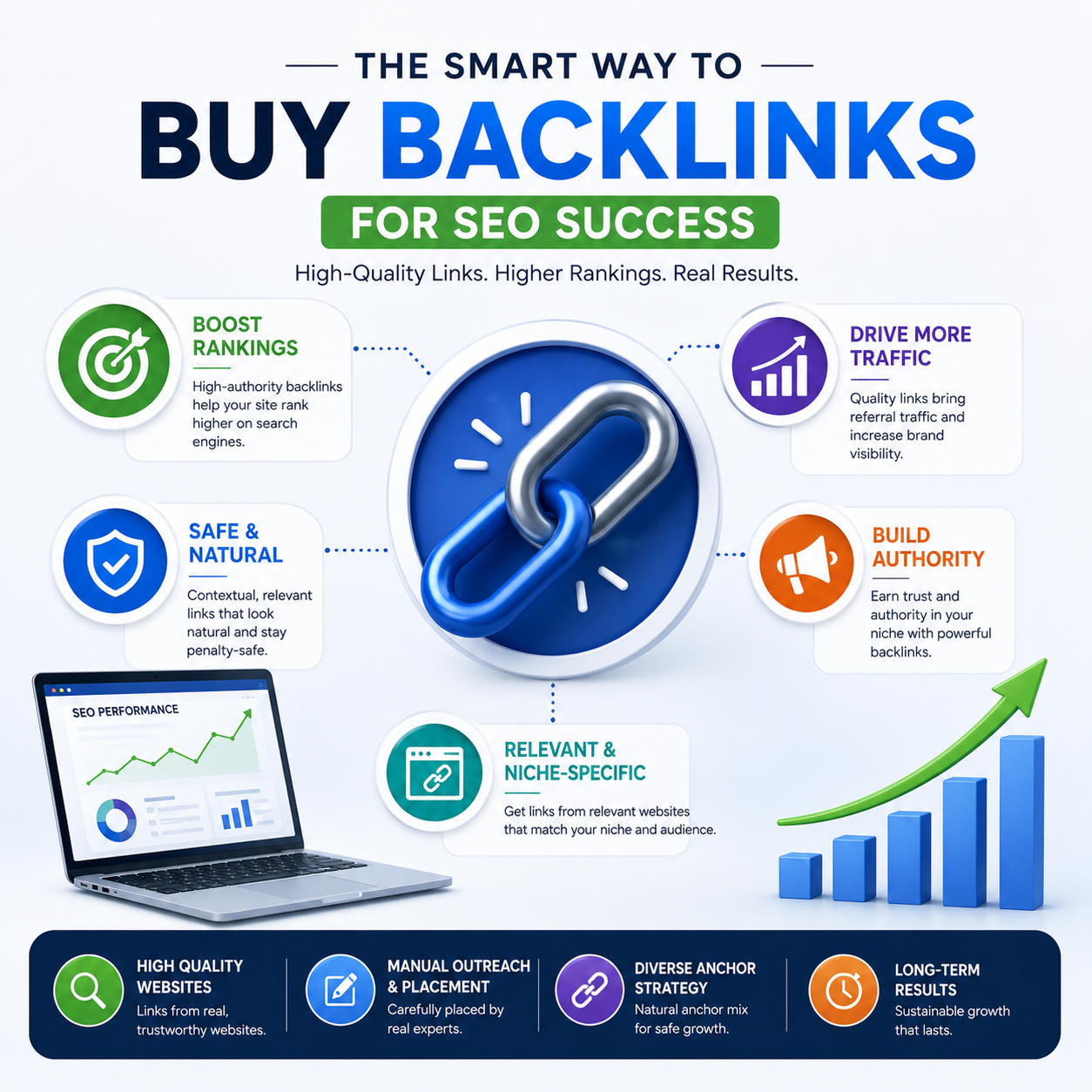
The table below outlines how to allocate your digital capital across three distinct risk profiles to build a balanced, highly defensive domain authority:
| Asset Class | Risk Level | Target Allocation | Primary Characteristics | Financial Role in Portfolio |
| Low-Beta Foundations | Extremely Low | 20% of Budget | Highly trusted business registers, primary social entities, and local chambers of commerce. | Establishes the baseline brand identity; completely immune to webspam core updates. |
| Mid-Beta Growth Drivers | Moderate | 60% of Budget | Contextual guest features, curated link placements, and niche resource integrations on active blogs (DR 35–55). | Generates the primary velocity required to push commercial target pages to the first page of search results. |
| High-Beta Catalysts | High | 20% of Budget | Digital PR features, original research citations, and major national media mentions. | Solidifies top-three rankings for high-value search terms; requires significant upfront capital with variable success rates. |
Forensic Due Diligence: Mitigating Toxic Asset Exposure
It is a common industry practice to buy backlinks for seo to accelerate the growth of a brand-new website.In corporate acquisitions, a buyer never accepts a seller’s financial statements at face value. Similarly, before you buy backlinks for seo from a third-party site, you must perform forensic due diligence to ensure you are not buying a toxic asset that could damage your existing rankings.
If you decide to buy backlinks for seo, you must prioritize topically relevant websites over general blogs.A healthy-looking website can act as a front for a decaying, penalized link farm. To protect your capital, audit every target domain against these three due diligence markers:
Historical Traffic Discrepancies
When you buy backlinks for seo, you are investing capital directly into your long-term organic search presence.Analyze the site’s organic traffic graph over a 36-month timeline. If the domain suffered a sudden, permanent 70% drop during a major search engine core update, the domain has been flagged by spam classifiers. Acquiring links from a penalized domain passes negative trust signals to your site.Many digital marketing agencies quietly choose to buy backlinks for seo when they need to outrank established online competitors.
Outbound Link Velocity
Beginners often make mistakes when they buy backlinks for seo by purchasing cheap packages on freelance networks.Compare the number of incoming links to the number of outbound links. If a website’s outgoing links are growing exponentially while its incoming authority remains flat, it is actively running a high-volume link commercialization scheme. This extreme imbalance is a structural footprint that automated search filters easily isolate.
Content Utility and Engagement
Inspect the host site’s articles. Are they formatted purely as thin, keyword-stuffed sponsored reviews, or do they showcase original photography, expert editorial opinions, and active human comments? Authentic websites are designed to serve human readers, not search engine crawlers.
Structuring the Placement Contract: Ensuring Long-Term Asset Protection
In the financial world, contracts protect investors from downside risks. When you negotiate with webmasters to buy backlinks for seo, you should structure your agreements with clear, operational parameters to guarantee the longevity of your investment:
-
Indexation Guarantees: Ensure the contract specifies that the article must be open to search engine crawlers (no “noindex” or “nosnippet” tags) and must be successfully cached by search engines within 30 days of publication.
-
Anchor Text Diversity Clauses: Never force exact-match transaction keywords on every placement. Instruct the editorial team to wrap your link in natural, contextually relevant sentences, prioritizing branded terms or logical descriptive phrases.
-
Contextual Integration Rules: The link must not be placed in a sidebar, footer, or isolated “sponsored partner” block. It must live within the primary editorial body copy of a high-quality, original article that is topically aligned with your business.
Frequently Asked Questions (FAQs)
What is the primary financial risk when you buy backlinks for seo?
The primary risk is capital depreciation due to algorithmic devaluation. If a search engine determines that a linking site is selling unnatural placements, it will simply neutralize the ranking weight of those links. This means your capital investment drops to zero value, even if your site does not receive an active manual penalty.
How do I calculate the ROI of a link building campaign?
To calculate the return on investment, measure the growth in organic search traffic to your targeted pages, multiply that traffic by your average conversion rate and average customer lifetime value (LTV), and subtract the total cost of your link acquisition campaign.
Is it safer to build links to educational content or commercial pages?
It is significantly safer to build links to high-quality educational content, original research, or free tools. This natural link distribution model makes the placement look entirely editorial to automated crawlers, which you can then pass down to your commercial product pages using smart internal hyperlinking.
Does the domain extension (like .com, .edu, or .org) impact link value?
The extension itself is not a ranking factor, but domains with .edu or .org extensions are often highly trusted because they are owned by academic institutions and non-profit organizations, which naturally accumulate high-quality, authoritative backlinks over decades.
How quickly should I scale my link acquisition velocity?
Your acquisition velocity should scale in direct proportion to your current website size and existing authority. A new domain with ten pages should acquire links slowly and gradually, while a massive enterprise website with thousands of pages can naturally absorb a much higher volume of monthly links without triggering pattern anomalies.
Conclusion
Maximizing organic search visibility is an ongoing battle for digital real estate. While search engine guidelines advocate for purely organic growth, the fast-paced nature of modern business means that learning how to buy backlinks for seo as part of a calculated capital allocation strategy is highly effective for accelerating market share.
By approaching link acquisition with the mind of a venture capitalist—evaluating unit economics, diversifying your portfolio risk, performing forensic site audits, and structuring secure placements—you can build a highly visible, resilient web presence. Treat your link building as a long-term capital investment, avoid low-cost, high-footprint shortcuts, and build a powerful backlink profile that consistently delivers measurable business revenue.
To discover more insights and explore our full range of resources, we invite you to visit our official website