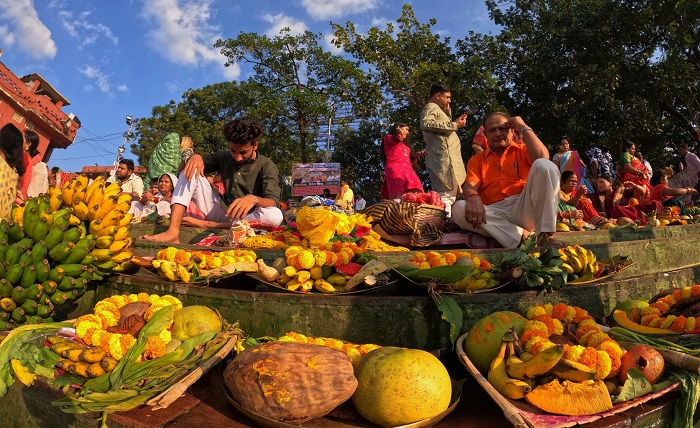
The question “ekadashi kab hai” is commonly searched by devotees who follow Hindu traditions and observe fasting on Ekadashi. In Hinduism, Ekadashi is considered one of the most sacred days dedicated to Lord Vishnu. People ask ekadashi kab hai to prepare for fasting, prayers, and spiritual activities that bring peace, prosperity, and divine blessings.
Ekadashi occurs twice every lunar month, once during the Shukla Paksha and once during the Krishna Paksha. This means there are usually 24 Ekadashi days in a year, though sometimes the number can increase due to the Hindu lunar calendar adjustments. Whenever devotees search for ekadashi kab hai, they are often looking for the exact date and timing to perform rituals correctly.
The importance of ekadashi kab hai goes beyond fasting. Many people believe that observing Ekadashi with devotion helps cleanse the mind and body. It is also considered highly beneficial for spiritual growth and self-discipline. This is why millions of devotees eagerly search for ekadashi kab hai before every Ekadashi arrives.
The Meaning of Ekadashi Kab Hai
To fully understand ekadashi kab hai, it is important to know what Ekadashi actually means. The word “Ekadashi” comes from the Sanskrit words “Eka” meaning one and “Dashi” meaning ten, together referring to the eleventh day of the lunar cycle. Therefore, whenever people ask ekadashi kab hai, they are asking about the eleventh lunar day in the Hindu calendar.
The timing of ekadashi kab hai changes every month because the Hindu calendar is based on moon movements instead of the solar calendar. This is why Ekadashi does not fall on the same date each month according to the Gregorian calendar.
Devotees often check Panchang calendars or online sources to know ekadashi kab hai accurately. Since Ekadashi timings may vary according to geographical location and sunrise timings, consulting a reliable source becomes very important.
Another reason why people frequently ask ekadashi kab hai is because each Ekadashi has a unique name and significance. Some of the most popular Ekadashi observances include Nirjala Ekadashi, Devshayani Ekadashi, Vaikuntha Ekadashi, and Mokshada Ekadashi. Each has its own spiritual importance and associated stories from Hindu scriptures.
Different Types of Ekadashi and Their Significance
When discussing ekadashi kab hai, it is essential to understand that not all Ekadashi days are the same. Every Ekadashi has a special spiritual meaning and unique benefits for devotees.
For example, Nirjala Ekadashi is considered one of the most difficult yet rewarding fasts. Devotees who ask ekadashi kab hai for Nirjala Ekadashi usually prepare in advance because the fast is observed without food and water.
Vaikuntha Ekadashi is another highly significant observance. People searching for ekadashi kab hai during this period believe that observing the fast opens the gates of Vaikuntha, the heavenly abode of Lord Vishnu.
Devshayani Ekadashi marks the beginning of Lord Vishnu’s cosmic sleep, while Devutthana Ekadashi symbolizes his awakening. Devotees searching ekadashi kab hai during these occasions often participate in temple ceremonies and special prayers.
Mokshada Ekadashi is associated with liberation and spiritual salvation. Many families search for ekadashi kab hai to perform rituals for ancestors and seek divine blessings.
The repeated search for ekadashi kab hai reflects how deeply rooted this observance is in Hindu spiritual culture and daily life.
How to Observe Ekadashi Fast Properly
People who search for ekadashi kab hai are often interested in observing the fast correctly. The Ekadashi fast usually begins at sunrise and continues until the next day after the Dwadashi Parana timing.
Devotees checking ekadashi kab hai typically avoid grains, rice, lentils, and certain vegetables during the fast. Instead, they consume fruits, milk, nuts, and fasting-friendly foods. Some devotees observe a complete fast without food or water depending on their religious commitment.
Prayer and devotion are central to ekadashi kab hai observances. Devotees spend time chanting Vishnu mantras, reading the Bhagavad Gita, and visiting temples. Many people also stay awake during the night singing devotional songs.
The reason people carefully search ekadashi kab hai is because the fasting and breaking timings are very important in Hindu tradition. Breaking the fast at the correct Dwadashi time is considered essential for receiving the full spiritual benefits.
By understanding ekadashi kab hai, devotees can properly organize their fasting schedule and participate in religious rituals with complete devotion.
Spiritual and Health Benefits of Ekadashi Kab Hai
The growing interest in ekadashi kab hai is not only due to religious reasons but also because of the spiritual and health benefits associated with fasting. Hindu scriptures mention that observing Ekadashi helps purify the soul and reduce negative karma.
People who regularly follow ekadashi kab hai believe that fasting improves concentration, inner peace, and spiritual awareness. Many devotees feel mentally refreshed after observing the fast.
From a health perspective, fasting connected with ekadashi kab hai may support digestion and allow the body to detox naturally. Since devotees avoid heavy foods, the digestive system gets temporary rest.
The discipline associated with ekadashi kab hai also teaches self-control and mindfulness. Devotees avoid anger, negative thoughts, and harmful habits while observing the fast.
Many spiritual teachers encourage followers to observe ekadashi kab hai sincerely because it combines physical discipline with spiritual devotion.
How to Check Ekadashi Kab Hai Online
In today’s digital world, finding ekadashi kab hai has become extremely easy. Devotees can use mobile apps, Hindu Panchang websites, and Google searches to know the exact Ekadashi date and timing.
Most people searching ekadashi kab hai prefer online Panchang tools because they provide detailed information about sunrise, fasting periods, Parana timings, and associated rituals.
Several temple websites also publish monthly calendars answering the question ekadashi kab hai for devotees worldwide. These calendars are especially useful because Ekadashi timings may differ slightly based on location.
Many smartphone applications now send notifications reminding users about ekadashi kab hai in advance. This helps devotees prepare for fasting and religious activities without missing important dates.
The convenience of technology has made it easier than ever for people to stay informed about ekadashi kab hai and maintain their spiritual routines.
Common Rituals Performed on Ekadashi Kab Hai
The rituals associated with ekadashi kab hai vary slightly across regions and traditions, but devotion to Lord Vishnu remains the central theme. Devotees often wake up early, bathe, wear clean clothes, and begin prayers during Brahma Muhurta.
When people search ekadashi kab hai, they are often preparing for temple visits and special Vishnu pujas. Many devotees offer Tulsi leaves, flowers, fruits, and incense to Lord Vishnu.
Reading sacred texts is another important activity connected with ekadashi kab hai. Popular scriptures include the Bhagavad Gita, Vishnu Sahasranama, and Bhagavata Purana.
Charity and helping the needy are also encouraged during ekadashi kab hai observances. Many devotees donate food, clothes, or money as an act of compassion and spiritual merit.
In some households, family members gather together during ekadashi kab hai to perform evening aarti and devotional singing. These traditions strengthen both faith and family bonds.
Why Millions Search for Ekadashi Kab Hai Every Month
The popularity of the search term ekadashi kab hai shows how important this observance remains in modern life. Despite changing lifestyles, millions of devotees continue to follow Ekadashi fasting traditions with dedication.
Many people search ekadashi kab hai because they want to align their lives with spiritual discipline and ancient wisdom. For some, it is a religious duty, while for others it is a personal spiritual practice.
The awareness surrounding ekadashi kab hai has increased further through social media, YouTube channels, and online Panchang services. Religious organizations regularly share updates about upcoming Ekadashi dates and rituals.
Young generations are also becoming curious about ekadashi kab hai as they explore Hindu traditions and wellness practices. Fasting is increasingly seen as both a spiritual and healthy lifestyle habit.
As awareness continues to grow, the search for ekadashi kab hai remains an important part of Hindu religious life across the world.
Conclusion
In conclusion, the question “ekadashi kab hai” holds deep religious, spiritual, and cultural significance for millions of devotees. Ekadashi is not just a fasting day but a sacred opportunity for self-discipline, devotion, and spiritual growth. From understanding lunar dates to performing rituals and prayers, knowing ekadashi kab hai helps devotees observe this important tradition correctly.
Whether you follow Ekadashi for religious faith, inner peace, or health benefits, staying informed about ekadashi kab hai allows you to participate fully in this sacred observance. With modern technology and online Panchang resources, checking ekadashi kab hai has become easier than ever.
FAQs
1. What does “ekadashi kab hai” mean?
The phrase “ekadashi kab hai” means “when is Ekadashi” in English. People use it to know the exact date and timing of Ekadashi fasting.
2. How many Ekadashi days are there in a year?
There are generally 24 Ekadashi observances every year, though sometimes there can be more depending on the lunar calendar.
3. Why is ekadashi kab hai important for devotees?
Knowing ekadashi kab hai helps devotees prepare for fasting, prayers, and rituals dedicated to Lord Vishnu.
4. Can I drink water during Ekadashi fast?
Many devotees drink water and eat fruits during Ekadashi, while some observe strict Nirjala fasting without water.
5. Where can I check ekadashi kab hai accurately?
You can check ekadashi kab hai through online Panchang websites, temple calendars, mobile apps, or Google search results.